Call us now :08071931141
 Send Inquiry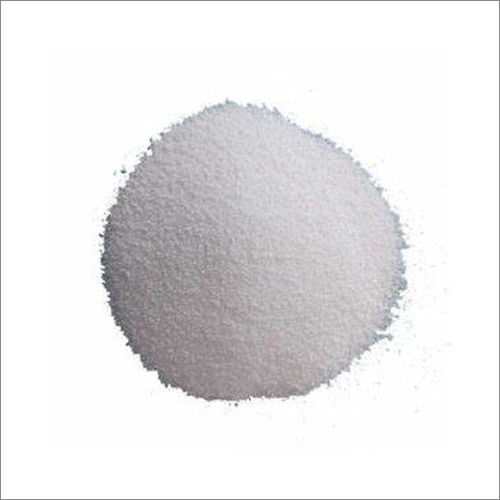
Polyvinyl Butyral Chemical
Product Details:
- Smell Odorless
- Taste Odorless and tasteless
- Molecular Formula [C8H14O2]n
- Ph Level Neutral
- Refractive Rate 1.485-1.490
- Boiling point Not applicable (polymeric solid)
- Storage Room Temperature
- Click to View more
X
Polyvinyl Butyral Chemical Price And Quantity
- 1 Kilograms
- 0.5% (24h at 23C)
- 63-75C
- 200-250%
- 25-36 MPa
- 0.38 mm - 1.52 mm
- 25 kg bags
- 12 months
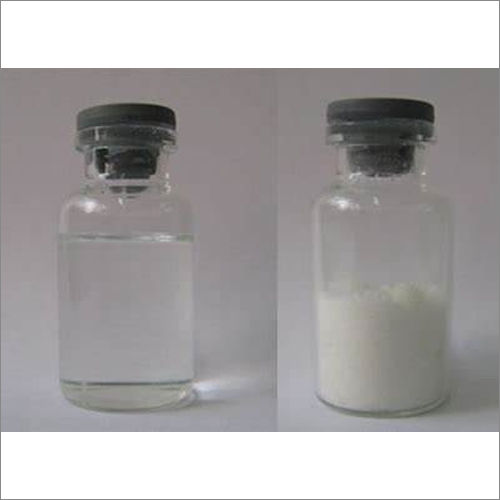
- White to pale yellow (powder/granules); colorless (film)
- 98% (high optical clarity)
Polyvinyl Butyral Chemical Product Specifications
- 130-150C
- Synthetic Resin
- Yes
- 1.14 Gram per cubic centimeter(g/cm3)
- Granular/Powder
- Soluble in alcohols, esters, and certain ketones; insoluble in water
- Polyvinyl Butyral (PVB)
- Varies (polymeric)
- Polyvinyl Butyral
- PVB, Poly(1,3-butylene butyral)
- 99%
- 203-500-0
- [-CH2CH(OH)-CH2CH(OC4H9)-]n
- Yes
- Not applicable (polymeric solid)
- 3905.30.00
- Solid
- Room Temperature
- 1.485-1.490
- Industrial Grade
- GB/T 20801-2006
- Neutral
- [C8H14O2]n
- Odorless and tasteless
- Odorless
- 63148-65-2
- Industrial, Construction, Laminated Glass
- Industrial
- Inorganic Chemicals
- 0.5% (24h at 23C)
- 63-75C
- 200-250%
- 25-36 MPa
- 0.38 mm - 1.52 mm
- 25 kg bags
- 12 months
- White to pale yellow (powder/granules); colorless (film)
- 98% (high optical clarity)
Polyvinyl Butyral Chemical Trade Information
- Cash in Advance (CID)
- 1000 Kilograms Per Month
- 7 Days
- All India
Product Description
The resin known as polyvinyl butyral (or PVB) is frequently used in applications that need flexibility, toughness, optical clarity, strong binding, and adhesion to a variety of surfaces. By reacting polyvinyl alcohol and butyraldehyde, it is made. Laminated safety glass for car windscreens is the main use. KB PVB, Saflex, GlasNovations, Butacite, WINLITE, S-Lec, Trosifol, and EVERLAM are some brand names for PVB-films. A stronger and more heat-resistant filament for 3D printers than polylactic acid is PVB. It consists of two glass panels that are joined together by a protective interlayer, often made of polyvinyl butyral. It is frequently used in the automotive and architectural industries. Pressure and heat are applied during the bonding process.
Outstanding Clarity and Flexibility
Polyvinyl Butyral stands out due to its exceptional optical transmission-98% transparency-making it ideal for laminated glass applications where clarity is critical. Its combination of high tensile strength and considerable elongation at break ensures the material remains resilient and flexible under stress, effectively absorbing impact without shattering.
Industrial Specifications and Versatility
Supplied as a granular or powder solid and in a range of film thicknesses (0.38 mm to 1.52 mm), PVB's non-toxic and odorless composition meets stringent standards (GB/T 20801-2006). Its properties-such as neutral pH, Vicat softening point of 63-75C, and 99% purity-make it suitable for demanding industrial and construction environments.
User-Friendly Storage and Handling
Polyvinyl Butyral is packaged in 25 kg bags that ensure safe handling and extended shelf life of up to 12 months under ambient conditions. With its non-poisonous nature and ease of use, the product simplifies logistics and minimizes hazards during storage or transportation.
FAQ's of Polyvinyl Butyral Chemical:
Q: How can Polyvinyl Butyral be used in industrial and construction applications?
A: Polyvinyl Butyral is primarily used in the production of laminated safety glass for buildings and vehicles due to its high transparency and impact resistance. It holds glass layers together, enhancing durability and safety.Q: What is the process for storing and handling Polyvinyl Butyral to ensure its quality?
A: PVB should be stored at room temperature in its original 25 kg bags, away from moisture and direct sunlight. Proper storage helps maintain its performance and extends its 12-month shelf life.Q: When does Polyvinyl Butyral provide the greatest benefit in laminated glass production?
A: Polyvinyl Butyral delivers optimal benefits during impact or breakage, as it prevents glass shards from dispersing, improving safety and maintaining structural integrity.Q: Where can Polyvinyl Butyral films be sourced in India?
A: PVB films can be sourced from reputable manufacturers and suppliers in India specializing in industrial-grade synthetic resins, listed under HS Code 3905.30.00.Q: What are the key benefits of using PVB in industrial settings?
A: Key benefits include exceptional optical clarity, high flexibility, resistance to water, non-toxicity, and a reliable safety profile for demanding industrial and construction projects.Q: How does Polyvinyl Butyral maintain its optical and physical properties over time?
A: When kept under recommended storage conditions, PVB maintains its high clarity, flexibility, and strength for up to 12 months, ensuring reliable performance throughout its shelf life.Other Products in 'Industrial Chemicals' category

 Send Inquiry
Our Products

Plot No. 3, Indira Niwas, Peru Baug, Aarey Road, Goregoan (East), Mumbai - 400063, Maharashtra, India

Mr Shashikant Mehta
(Proprietor)
Mobile :View Number
 Send Inquiry
 Send SMS
Developed and Managed by Infocom Network Private Limited.