Call us now :08071931141
 Send Inquiry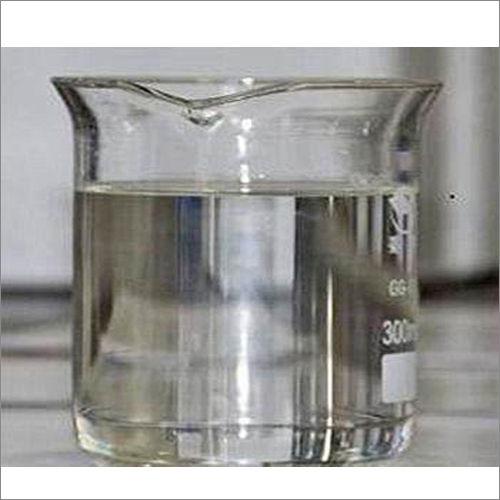
Dibutyl Tin Dilaurate Chemical
700 INR/Kilograms
Product Details:
- Boiling point 205C (decomposes)
- Molecular Formula C32H64O4Sn
- Shape Liquid
- HS Code 381590
- Refractive Rate n20/D 1.483
- Smell Faint odor
- Molecular Weight 631.6 g/mol
- Click to View more
X
Dibutyl Tin Dilaurate Chemical Price And Quantity
- 700 INR/Kilograms
- 1 Kilograms
- Yes
- Pale yellow
- Yes
- Synthetic
- Yes
- Yes
- 12 months
- Sealed original
- Yes
- Paints and Coatings
- Yes
Dibutyl Tin Dilaurate Chemical Product Specifications
- Dibutyl Tin Dilaurate
- Industrial
- Room Temperature
- Soluble in organic solvents
- 77-58-7
- Chemical compound
- DBTDL
- Yes
- Clear liquid
- (C4H9)2Sn(OCOC11H23)2
- Industrial Grade
- 1.066 Gram per cubic centimeter(g/cm3)
- 24-25C
- 99% min
- Faint odor
- 631.6 g/mol
- Catalyst
- Dibutyl Tin Dilaurate Chemical
- 205C (decomposes)
- Industrial chemical catalyst
- Industrial
- Yes
- 204-941-2
- 381590
- Liquid
- n20/D 1.483
- C32H64O4Sn
- Yes
- Pale yellow
- Yes
- Synthetic
- Yes
- Yes
- 12 months
- Sealed original
- Yes
- Paints and Coatings
- Yes
Dibutyl Tin Dilaurate Chemical Trade Information
- Cash in Advance (CID)
- 1000 Kilograms Per Month
- 7 Days
- All India
Product Description
The drying of chemically cured systems is improved by butyltin diacetate, which favours the isocyanate/polyol reaction over other side reactions like isocyanate/water. It improves mechanical qualities including hardness and scratch resistance. This catalyst can be used to speed up the curing of silane-modified polymers, silicone resins, RTV silicone resins, and polyurethanes. suitable for accelerating the cross-linking of two-component, solvent-based PU coatings. Keep containers safely sealed in a place that's dry, cold, and well-ventilated. Stay away from ignition sources. In the original container, store.
Enhancing Curing and Hardness
Dibutyl Tin Dilaurate excels in accelerating cross-linking reactions, making it the catalyst of choice for industrial applications involving paints, coatings, and RTV silicones. Its effective curing properties result in improved hardness and durability, essential for long-lasting end-products. The additive also helps suppress unwanted side reactions, leading to higher quality results.
Reliable Shelf Life and Storage Guidance
With a shelf life of 12 months when stored at room temperature in its sealed, original container, this catalyst maintains its effectiveness for extended periods. The synthetic formulation ensures consistency, while its pale yellow color and clear liquid form make it easy to handle and integrate into manufacturing processes.
FAQ's of Dibutyl Tin Dilaurate Chemical:
Q: How is Dibutyl Tin Dilaurate mainly used in industrial applications?
A: Dibutyl Tin Dilaurate is primarily utilized as a catalyst in the production of paints, coatings, and RTV silicone rubbers. It accelerates the curing process and enhances the hardness and durability of the finished products.Q: What are the benefits of using Dibutyl Tin Dilaurate as a curing agent?
A: The benefits of using Dibutyl Tin Dilaurate include efficient cross-linking acceleration, improved hardness, and suppression of undesired side reactions during curing. This leads to stronger, more reliable industrial coatings and silicone products.Q: When should Dibutyl Tin Dilaurate be used during the manufacturing process?
A: It should be added during the formulation stage of paints, coatings, or RTV silicones, just before the curing process begins, to ensure optimal catalysis and hardness enhancement.Q: Where should Dibutyl Tin Dilaurate be stored to maintain quality?
A: For maximum shelf life and activity, store Dibutyl Tin Dilaurate at room temperature in its sealed, original container, away from moisture and direct sunlight.Q: What precautions should be taken when handling Dibutyl Tin Dilaurate?
A: Since Dibutyl Tin Dilaurate is classified as poisonous, always handle it using appropriate personal protective equipment and follow safety protocols to avoid direct contact or inhalation.Q: How does Dibutyl Tin Dilaurate improve the curing of RTV silicone?
A: It acts as a catalyst to promote the cross-linking reaction during RTV silicone formulation, resulting in faster curing times and enhanced mechanical strength of the silicone product.Other Products in 'Industrial Chemicals' category

 Send Inquiry
Our Products

Plot No. 3, Indira Niwas, Peru Baug, Aarey Road, Goregoan (East), Mumbai - 400063, Maharashtra, India

Mr Shashikant Mehta
(Proprietor)
Mobile :View Number
 Send Inquiry
 Send SMS
Developed and Managed by Infocom Network Private Limited.