Call us now :08071931141
 Send Inquiry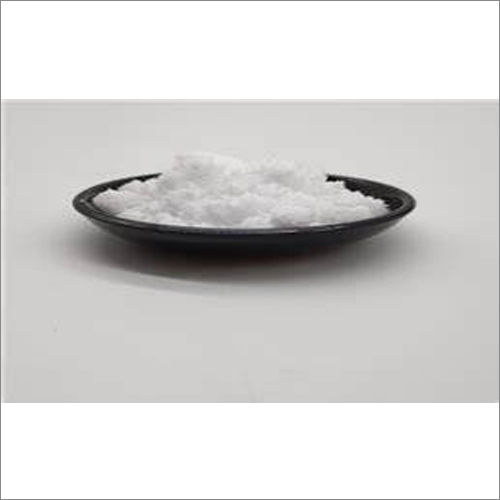
Ethylene Glycol Dimethacrylate
15000 INR/Kilograms
Product Details:
- Solubility Insoluble in water, soluble in organic solvents
- Other Names EGDMA
- Smell Faint ester odor
- Structural Formula CH2=C(CH3)COOCH2CH2OCOC(CH3)=CH2
- Molecular Weight 198.22 g/mol
- Taste Not for human consumption
- Refractive Rate n20/D 1.444
- Click to View more
X
Ethylene Glycol Dimethacrylate Price And Quantity
- 1 Kilograms
- 15000 INR/Kilograms
- Readily polymerizes
- Stable under normal conditions
- Plastic drum or bottle
- 112 C
- Low viscosity
- Handle with care
- Colorless to pale yellow
- 12 months
- 6.1
- <0.2%
Ethylene Glycol Dimethacrylate Product Specifications
- EGDMA
- Insoluble in water, soluble in organic solvents
- 97-90-5
- Faint ester odor
- CH2=C(CH3)COOCH2CH2OCOC(CH3)=CH2
- Ethylene Glycol Dimethacrylate
- Enterprise Standard
- 198.22 g/mol
- Organic synthesis, crosslinking agent
- Agriculture Grade
- Not for human consumption
- Industrial
- n20/D 1.444
- -22 C
- Clear liquid
- C10H14O4
- 245 C
- Liquid
- Acrylates
- Ethylene glycol dimethacrylate
- Store in cool, dry place
- 29161400
- 1.053 Gram per cubic centimeter(g/cm3)
- 203-653-1
- Chemical Intermediate
- >98%
- Yes
- Yes
- Readily polymerizes
- Stable under normal conditions
- Plastic drum or bottle
- 112 C
- Low viscosity
- Handle with care
- Colorless to pale yellow
- 12 months
- 6.1
- <0.2%
Ethylene Glycol Dimethacrylate Trade Information
- Cash in Advance (CID)
- 1000 Kilograms Per Month
- 7 Days
- All India
Product Description
Ethylene Glycol Dimethacrylate is mainly applied in the field of organic synthesis, such as a crosslinking agent for fabricating resin, resin processing, fabricating adhesives and coatings, rubber resin modifier, anaerobic adhesive, and plastic paste. Specifically, this chemical can be used as the raw material to prepare a copolymer that has been demonstrated to act as a biocompatible interface between glucose biosensors and tissue in the rat. Moreover, this compound may be involved in the preparation of poly for designing the porous support for high throughput reactors. In addition, the bulk polymerization of this chemical and glycidyl methacrylate results in the formation of porous monolith as a stationary phase in dye-affinity chromatography.
Versatile Industrial Applications
Ethylene Glycol Dimethacrylate serves as a critical chemical intermediate and crosslinking agent in various organic syntheses, especially within the agriculture and polymer industries. Its ability to improve the durability and mechanical performance of materials makes it a preferred choice for manufacturers aiming for high-quality end products. EGDMA's properties also make it suitable for customized industrial needs.
Safe Handling and Storage Guidelines
To ensure operational safety, EGDMA must be handled with care due to its poisonous nature and hazard class 6.1 status. It should be stored in tightly sealed plastic drums or bottles in a cool, dry area, and it is essential to avoid moisture, as its moisture content must remain below 0.2%. These practices guarantee both environmental and workplace safety throughout the product's shelf life.
FAQ's of Ethylene Glycol Dimethacrylate:
Q: How should Ethylene Glycol Dimethacrylate (EGDMA) be safely stored and handled?
A: EGDMA should be stored in tightly sealed plastic drums or bottles in a cool, dry place, away from moisture and heat. As it is classified as hazardous and poisonous, appropriate personal protective equipment should be worn, and the product should be handled with care, adhering to standard safety protocols.Q: What are the main industrial applications of EGDMA?
A: EGDMA is widely used in organic synthesis as a chemical intermediate and as a crosslinking agent, particularly in the production of polymers and agricultural products. Its ability to enhance material durability and mechanical strength makes it valuable in industrial manufacturing.Q: When does EGDMA expire, and how can its shelf life be maximized?
A: EGDMA has a shelf life of 12 months when stored according to recommended conditions: in a cool, dry location within tightly sealed plastic containers. Keeping moisture levels below 0.2% and minimizing exposure to air and heat preserves its quality and prolongs usability.Q: Where can Ethylene Glycol Dimethacrylate be obtained, and who supplies it?
A: EGDMA is available through chemical manufacturers and suppliers, particularly in India, where it is produced to enterprise standards. Ensure you purchase from reputable sources that comply with regulated hazardous material handling and shipping protocols.Q: What is the general process for using EGDMA in chemical synthesis?
A: In chemical synthesis, EGDMA acts as a crosslinking agent, where it polymerizes readily with other compounds to form durable networks. It is insoluble in water but dissolves in organic solvents, which facilitates its use in various industrial polymerization and formulation processes.Q: What are the key benefits of using EGDMA in industrial applications?
A: EGDMA provides significant benefits, including improved mechanical strength, greater material durability, and enhanced resistance in final products. Its low viscosity and reactivity offer versatile processing options, contributing to efficiency in manufacturing and higher end-product performance.Other Products in 'Industrial Chemicals' category

 Send Inquiry
Our Products

Plot No. 3, Indira Niwas, Peru Baug, Aarey Road, Goregoan (East), Mumbai - 400063, Maharashtra, India

Mr Shashikant Mehta
(Proprietor)
Mobile :View Number
 Send Inquiry
 Send SMS
Developed and Managed by Infocom Network Private Limited.