Call us now :08071931141
 Send Inquiry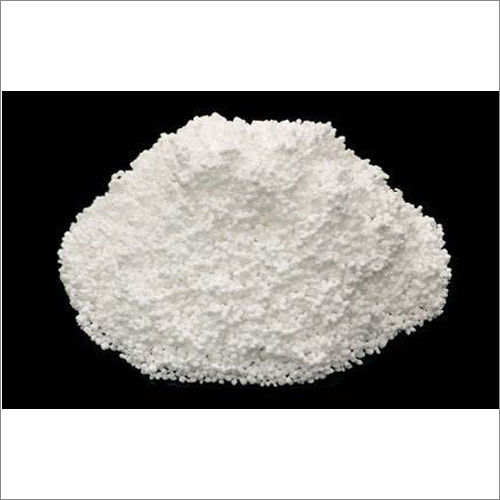
Benzoyl Peroxide Chemical
300 INR/Kilograms
Product Details:
- Boiling point Decomposes before boiling
- Other Names BzO2
- Purity >98%
- Molecular Weight 242.23 g/mol
- Shape Powder or granules
- Solubility Partially soluble in water
- Storage Store in cool, dry place, away from light
- Click to View more
X
Benzoyl Peroxide Chemical Price And Quantity
- 1 Kilograms
- 300 INR/Kilograms
- Yes
- Polymerization initiator
- 2 years
- Sealed containers
- Yes
- Strong
- May irritate skin
- Cheese, flour, cosmetics
- High
- Releases oxygen
- Sensitive to shock
- Yes
- Use protective equipment
- Yes
- White powder
Benzoyl Peroxide Chemical Product Specifications
- N/A (solid)
- Solid
- Odourless
- 1.334 Gram per cubic centimeter(g/cm3)
- Benzoyl Peroxide
- (C6H5CO)2O2
- 2916.32
- Yes
- 103-105C
- Yes
- 202-327-6
- Organic compound, peroxide
- Powder or granules
- Partially soluble in water
- Store in cool, dry place, away from light
- Industrial
- Peroxide, oxidizer
- >98%
- 242.23 g/mol
- Benzoyl Peroxide
- Agriculture Grade
- Decomposes before boiling
- BzO2
- C14H10O4
- Neutral to slightly acidic
- Chemical industry, cosmetics, tooth whitening
- 94-36-0
- Meets industry standards
- Odourless
- Yes
- Polymerization initiator
- 2 years
- Sealed containers
- Yes
- Strong
- May irritate skin
- Cheese, flour, cosmetics
- High
- Releases oxygen
- Sensitive to shock
- Yes
- Use protective equipment
- Yes
- White powder
Benzoyl Peroxide Chemical Trade Information
- Cash in Advance (CID)
- 1000 Kilograms Per Month
- 7 Days
- All India
Product Description
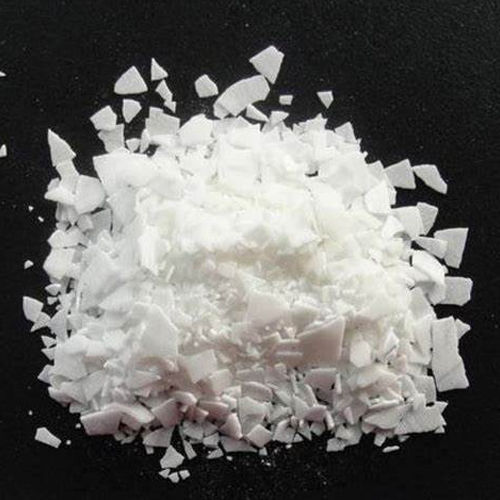
The organic compound benzoyl peroxide, sometimes known as BzO2, has the chemical formula C5H5C(=O)O2. It is a peroxide with keratolytic, comedolytic, irritant, and anti-inflammatory effects. The Propionibacterium acnes bacterium perishes when it decomposes and releases oxygen. White powder or granules of odourless benzoyl peroxide are available. In water, it only partially dissolves. It quickens the turnover of epithelial cells by causing skin to peel. Benzoyl peroxide, an oxidizer, is frequently employed in the manufacturing of polymers.
Benzoyl peroxide can be used to remove ink and dye stains from a variety of objects, including vinyl dolls. It is also used as a bleaching agent in bread and cheese, cosmetic tooth whitening, and hair colouring processes.
Key Features and Properties
Benzoyl Peroxide is distinguished by its high purity, strong oxidizing capabilities, and multi-functional use. It appears as a white powder or granules, is odourless, and decomposes at 103-105C releasing oxygen, making it highly sensitive to shock and moisture. Its molecular structure and neutral to slightly acidic pH render it suitable for industrial processes demanding consistent quality.
Industrial and Cosmetic Applications
This compound is employed across various sectors thanks to its bleaching, polymerization initiation, and dye-removing abilities. In cosmetics, it serves as a whitening agent and is known for its keratolytic and comedolytic effects that benefit skincare. In the chemical industry, it helps initiate polymerization reactions crucial for manufacturing resins and plastics.
Safety and Handling Guidelines
Given its oxidizing strength and sensitivity, Benzoyl Peroxide must be handled with proper safety gear including gloves and eye protection. It should always be kept in sealed containers within a cool, dry, and well-ventilated storage area to minimize risk and maintain its 2-year shelf life. Avoid exposure to shock, moisture, and direct sunlight.
FAQ's of Benzoyl Peroxide Chemical:
Q: How should Benzoyl Peroxide be safely handled and stored?
A: Benzoyl Peroxide should be handled with protective equipment such as gloves and safety goggles. Storage must be in sealed containers kept in a cool, dry, and dark environment, away from sources of shock, heat, and moisture to preserve stability and minimize hazard.Q: What are the main industrial and cosmetic uses of Benzoyl Peroxide?
A: Industrial uses include serving as a polymerization initiator for resins and plastics and as a bleaching agent for flour, cheese, and cosmetics. In cosmetics, it is used for skin treatments due to its keratolytic, comedolytic, and whitening properties.Q: When does Benzoyl Peroxide decompose, and what happens during decomposition?
A: Benzoyl Peroxide decomposes before reaching its boiling point, typically at 103-105C. Upon decomposition, it releases oxygen, enhancing its effectiveness in bleaching and polymerization but also increasing the need for careful thermal management during storage and use.Q: Where is Benzoyl Peroxide sourced or supplied from?
A: Benzoyl Peroxide is manufactured and supplied by chemical companies and distributors in India, available in agriculture and industry-grade standards. It is distributed in sealed packaging for safety and quality assurance.Q: What process does Benzoyl Peroxide undergo in polymerization reactions?
A: In polymerization, Benzoyl Peroxide acts as an initiator by decomposing to release free radicals upon heating, which then start the chain reaction necessary for forming polymers, making it vital in synthetic resin and plastic production.Q: How does Benzoyl Peroxide benefit skin applications?
A: For skin, Benzoyl Peroxide functions as a keratolytic and comedolytic agent, exfoliating dead skin cells, reducing clogged pores, and delivering anti-inflammatory effects-helpful in managing acne. However, it may irritate sensitive skin and should be used with care.Tell us about your requirement

Price:
Quantity
Select Unit
- 50
- 100
- 200
- 250
- 500
- 1000+
Additional detail
Mobile number
Email

Other Products in 'Industrial Chemicals' category

 Send Inquiry
Our Products

Plot No. 3, Indira Niwas, Peru Baug, Aarey Road, Goregoan (East), Mumbai - 400063, Maharashtra, India

Mr Shashikant Mehta
(Proprietor)
Mobile :08071931141
 Send Inquiry
 Send SMS
Developed and Managed by Infocom Network Private Limited.
